
{Ad.} This is a paid collaboration.

Halloween has become one of the most wasteful weekends of the year. Plastic costumes worn once, cheap decorations that crack by November and a mountain of pumpkins heading for landfill rather than the compost bin all add up. The good news is that a greener Halloween doesn’t have to be a boring one. With a few thoughtful swaps, it’s possible to keep all the atmosphere and lose most of the waste.
The simplest place to start is the decorations, because that’s where most single-use plastic creeps in. Instead of buying a new bag of throwaway bits every October, it’s worth building up a small collection of pieces that will last for years. Reusable, battery-operated or USB-rechargeable halloween lights are a good example. A string of warm LED pumpkins or a glowing lantern can come out of the loft every autumn, uses very little energy and avoids the fire risk of real tealights sitting inside a paper decoration. Pairing them with rechargeable batteries cuts the waste even further. It’s what we do with Christmas decor, so it makes perfect sense to do the same for Halloween.
Choose Decorations You’ll Want to Use Again
The trick with any eco swap is to buy less, but buy better. Before adding anything new to the basket, it’s worth asking whether it’ll still look good in five years. Classic shapes like pumpkins, bats, moons and stars date far less than novelty characters or this year’s viral trend, and colours like black, cream and burnt orange work across the whole of autumn, not just the last week of October.
Storage matters too. Wrap delicate pieces in old tissue paper or tea towels, or my personal favourite: the odd socks that seem to breed in our house. Keeping everything together in one labelled box means nothing gets broken, lost or rebought by accident next year.
Let Nature Do The Decorating
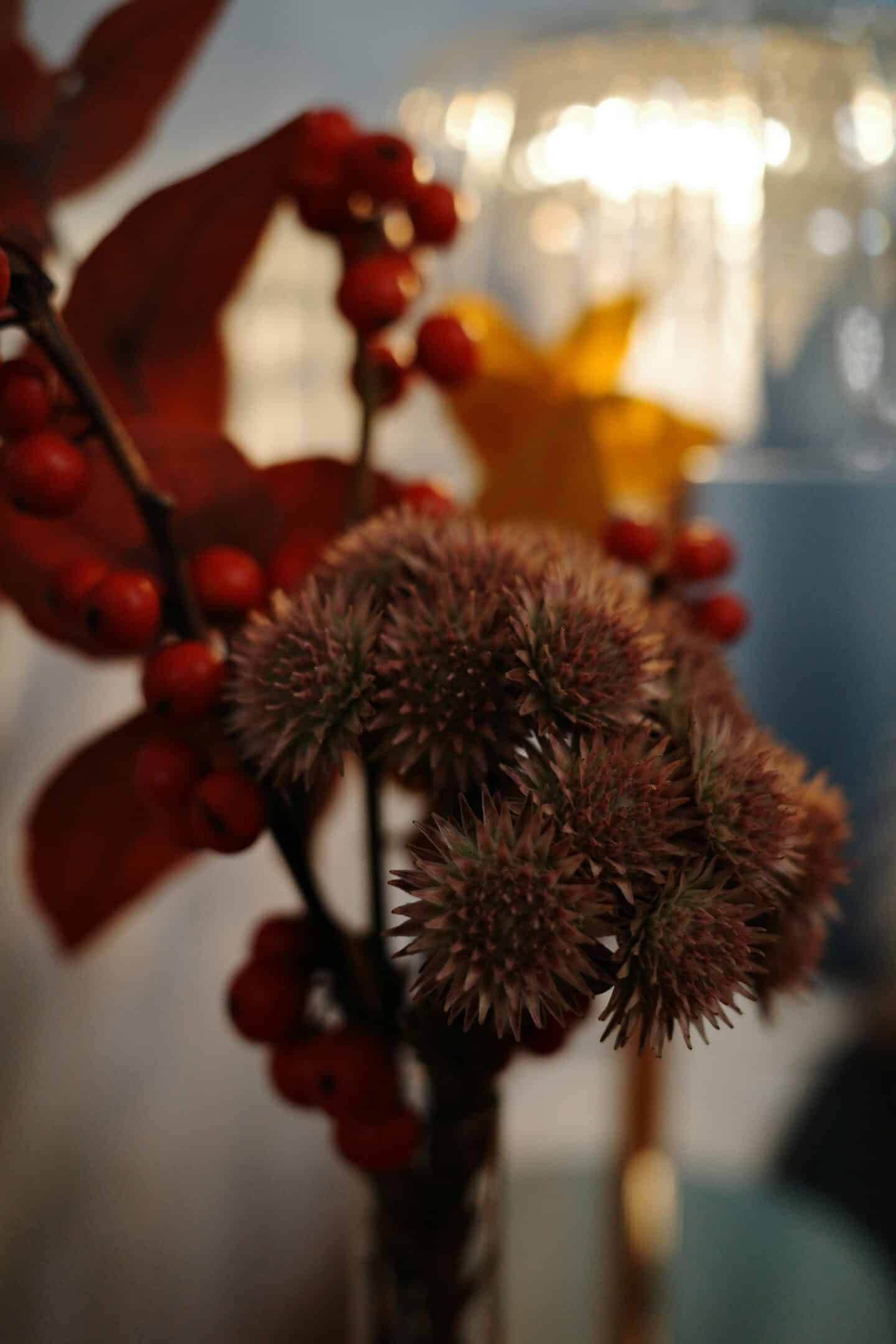
Some of the best Halloween decorations are free and completely compostable. Seed heads, dried teasels, fallen branches, conkers, pine cones and autumn leaves all look wonderfully spooky with minimal effort. A jar of twisted twigs on the windowsill, a bowl of gourds on the table or a simple foraged wreath on the front door can look far more stylish than anything plastic. Just remember to forage responsibly: only take what’s already fallen, leave plenty behind for wildlife and avoid protected areas.
Once Halloween’s over, natural decorations can go straight into the garden waste or compost heap, so there’s nothing to store and nothing to throw away.
Don’t Waste the Pumpkin!
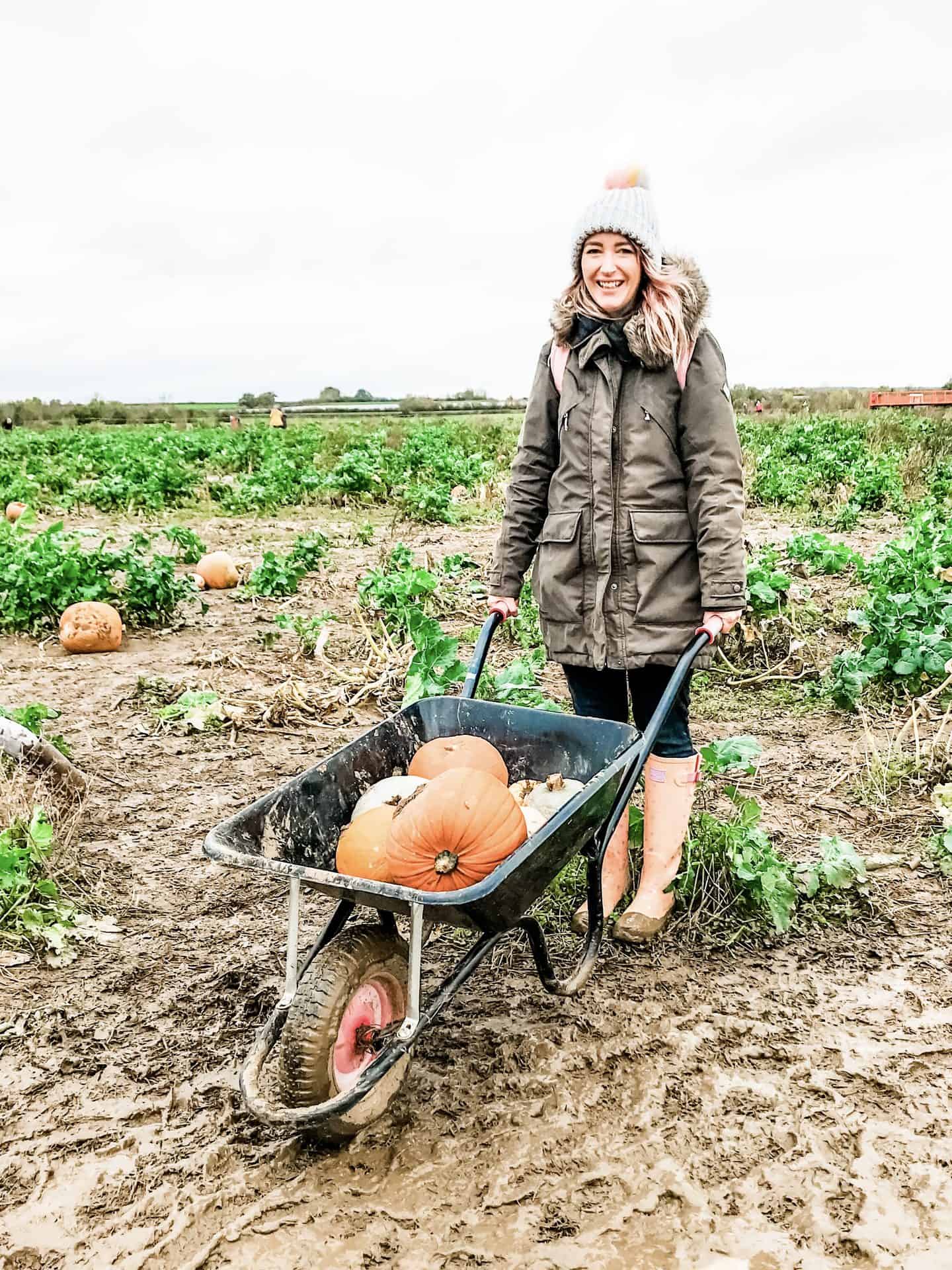
Millions of pumpkins are thrown away in the UK every year, many with the flesh still inside. Choosing a culinary variety rather than a giant carving pumpkin makes it much easier to eat what’s scooped out. The flesh works brilliantly in soups, curries, risotto and even cakes. The seeds can be rinsed, tossed in a little oil and salt, and roasted for a crunchy snack.
When the carved pumpkin starts to wilt, it can be chopped up and added to the compost bin or food waste caddy. Just avoid composting any pumpkin that’s been painted, glittered or had candle wax dripped inside, as those extras don’t break down.
Rethink Your Costume
Fancy dress is one of the biggest sources of Halloween waste, as most shop-bought costumes are made from plastic-based fabrics and worn just once. Raiding the wardrobe first is always the greenest option. A black dress, an old shirt or a pair of dungarees can become a witch, a scarecrow or a zombie with a few accessories and some face paint.
For kids who grow out of outfits every year, a costume swap with friends, the school or a local community group is a great way to get something new without buying it. Charity shops and second-hand sites are also worth checking in September, before the last-minute rush pushes prices up.
Make Trick or Treating a Little Greener
Individually wrapped sweets are hard to avoid entirely, but there are ways to cut down on the plastic. Look for treats in paper or card packaging, or choose larger bags of loose sweets for home parties. A reusable bucket, basket or fabric tote for collecting is much better than a plastic bag that splits halfway down the street.
Walking between houses rather than driving keeps emissions down too, and it’s much more fun in the dark.
Host a Lower-Waste Halloween Party
If you’re hosting, it’s easy to swap disposable plates, cups and cutlery for what’s already in the cupboard. Mismatched crockery actually suits a Halloween theme, and there’s something fitting about a spooky feast served on vintage plates. Paper or fabric bunting can be reused year after year. Homemade food like pumpkin soup, baked apples, Halloween mummy biscuits or a big pot of chilli creates far less packaging than ready-made party platters.
Balloons and confetti are best left out altogether. Both often end up littering gardens, hedgerows and waterways long after the party’s over.

Small Changes, Less Waste this Halloween
A greener Halloween isn’t about getting everything perfect. It’s about making a few better choices each year: keeping the decorations that last, composting what’s natural, eating the pumpkin and passing on the costumes. Over time those small swaps add up to a Halloween that feels just as magical, with a lot less rubbish left over on 1st November.


